
The Millennial Coolness Crisis
We lost our cool. Somewhere between avocado toast and hustle culture, millennials watched our cultural capital slip away.


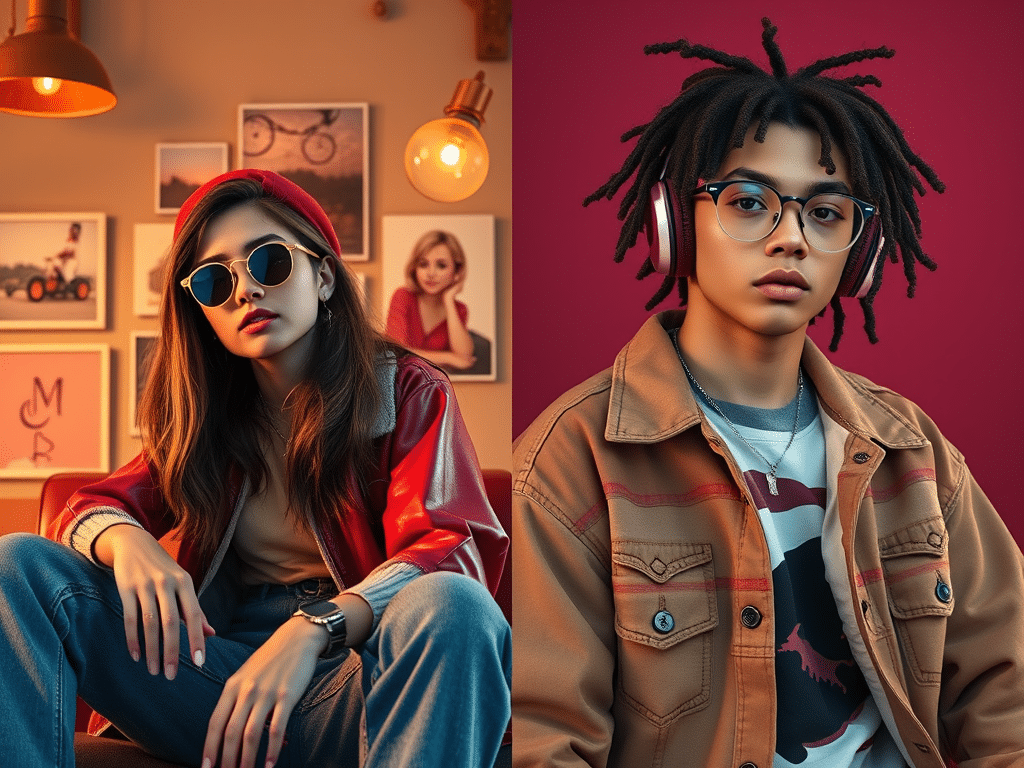
We lost our cool.
Somewhere between avocado toast and hustle culture, millennials watched our cultural capital slip away.
The generation that once disrupted everything now finds itself disrupted, bewildered by TikTok trends and confused by what Gen Z considers relevant. Our skinny jeans and side parts have become punchlines. Our Harry Potter references fall flat. Our earnest LinkedIn updates about "crushing it" are screenshot and mocked.
This isn't just about fashion or slang.
It's about a fundamental shift in how cultural relevance operates—a shift that has left many millennials feeling culturally displaced in a world they helped create.
When Millennials Ruled Cool
Remember when we were the arbiters of cool? When our digital nativity made us special? When brands courted us desperately, trying to decode our mysterious millennial minds?
We came of age as social media transformed from novelty to necessity. We pioneered digital self-expression through carefully curated Instagram feeds. We valued authenticity while simultaneously filtering it. We championed social causes online while building personal brands. We celebrated hustle culture and side gigs, turning productivity into personality.
Our version of cool was aspirational. We wanted to appear effortlessly successful.
We created highlight reels of our lives, showcasing our brunches, travel adventures, and career milestones. Cultural relevance meant having experiences worth sharing—and sharing them in ways that garnered validation.
We were the first generation to live our lives online, but we maintained a distinction between our digital and physical selves. We still remembered a world before smartphones. We valued privacy even as we surrendered it. We used social media but maintained a healthy skepticism about it.
The Gen Z Revolution
Then came Gen Z: Digital natives in a more profound sense.
They never knew a world without ubiquitous internet. They grew up watching YouTube instead of cable. They learned to navigate touch screens before they could tie their shoes. Their relationship with technology isn't conscious—it's instinctive.
And they've completely rewritten the rules of cultural relevance.
Where millennials curated, Gen Z deconstructs. Where we sought perfection, they embrace imperfection. Where we built personal brands, they build communities. Where we valued aspiration, they value authenticity—real authenticity, not the manufactured kind we pioneered.
Gen Z coolness operates on an entirely different frequency. It's less about showcasing success and more about showcasing vulnerability. Less about polished aesthetics and more about raw expression. Less about individual achievement and more about collective action.
The contrast becomes clear when you examine how each generation approaches social media. Millennials post carefully edited photos with clever captions on Instagram. Gen Z posts unfiltered, chaotic content on TikTok or their "photo dumps" with seemingly random images. Millennials worry about employer perceptions. Gen Z expects employers to take them as they are.
The Values Beneath the Aesthetics
This generational shift runs deeper than aesthetics. It reflects fundamentally different values shaped by fundamentally different worlds.
Millennials came of age during 9/11, the 2008 recession, and the early optimism of the internet. We believed in meritocracy even as it failed us. We believed in institutions even as they disappointed us. We believed in the system even as it burdened us with student debt and unaffordable housing.
Gen Z has no such illusions. They've grown up with climate crisis, political polarization, and pandemic. They've witnessed the failures of capitalism in real-time through social media. They've seen how the institutions millennials tried to work within have consistently failed to address existential threats.
Their redefinition of coolness reflects this reality. Cultural relevance for Gen Z isn't about showcasing success within a broken system—it's about imagining alternatives. It's not about personal achievement—it's about community resilience. It's not about optimizing productivity—it's about prioritizing wellbeing.
The Millennial Identity Crisis
For millennials, this shift has triggered something of an identity crisis. We find ourselves caught between Gen Z's revolutionary energy and Boomer stability. We're not young enough to be truly fluent in new cultural codes, but not established enough to dismiss them.
Many millennials respond defensively, clinging to our skinny jeans and Harry Potter houses, dismissing Gen Z trends as frivolous. Others desperately try to adapt, downloading TikTok and studying Gen Z slang like anthropologists in unfamiliar territory.
But perhaps there's wisdom in recognizing this cultural displacement as inevitable—even necessary. Every generation eventually surrenders cultural relevance to the next. The difference is that social media has accelerated and amplified this transition, forcing us to witness our cultural obsolescence in real-time, through algorithms that increasingly prioritize younger voices.
Finding Relevance Beyond Coolness
Perhaps the millennial coolness crisis offers an opportunity—a chance to define relevance beyond the constraints of being culturally current.
What if, instead of chasing Gen Z trends or defensively rejecting them, millennials embraced our unique position?
We understand both analog and digital worlds. We've witnessed the internet's transformation from utopian promise to algorithmic manipulation. We've seen how systems fail and how movements rise.
This perspective has value. Not as cultural coolness, perhaps, but as cultural wisdom. Not as trendsetters, but as translators between generations. Not as disruptors, but as builders who understand what needs disrupting.
The millennial coolness crisis might just be growing pains—the uncomfortable but necessary transition from youth to middle age, from cultural consumers to cultural stewards.
Our relevance won't come from TikTok trends or viral moments. It will come from applying our unique generational experience to the challenges only we are positioned to address.
We lost our cool. But perhaps, in losing it, we might find something more enduring.
About The Author
Cameron Lee Cowan is originally from Denver, with roots in Northwest Arkansas. He began his writing journey in 2005, focusing on essays and short stories. Much of his work reflects a vintage flair. The myriad experiences he has encountered in music, fashion, theater, and writing have shaped his storytelling. Having met exciting people and witnessed interesting events, he strives to share those everyday narratives, aiming to leave his readers with something profound. Whether he is writing about the world around us in The Cameron Journal or crafting novels, he seeks to make insightful observations, allowing readers to form their own thoughts and feelings.